
Practical Noise and Fume Solutions for Apartment-Based Workspaces: Is Sonoran Desert Institute Worth It?

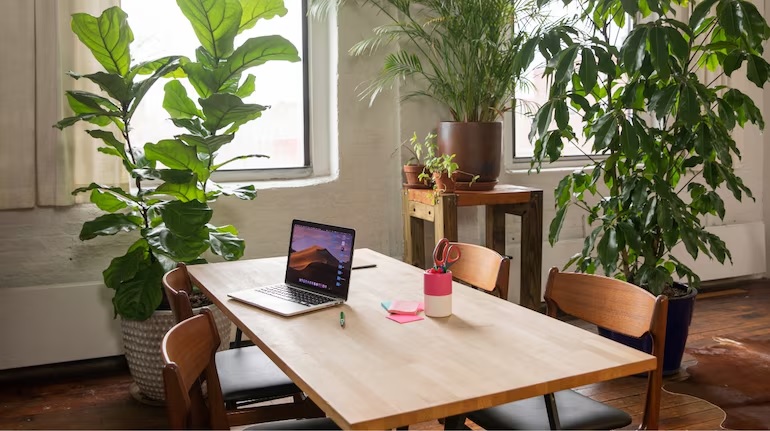
Apartment living poses unique challenges for those pursuing technical training at home. Space is limited, neighbors are close and household safety must always remain a priority. Yet with the right strategies, it is possible to practice complex skills, while keeping the environment safe, comfortable and respectful of others. Managing noise and fumes effectively is central to this balance. Sonoran Desert Institute (SDI), accredited by the Distance Education Accrediting Commission (DEAC), understands the realities of students working in smaller spaces.
With coursework in firearms technology and uncrewed systems, the institute emphasizes practical training that can be adapted to home settings. It supports students with guidance on how to make the most of their environments, while keeping safety at the forefront. This approach ensures students can apply their learning effectively, regardless of space or resource limitations.
Why Noise and Fume Management Matters
Technical projects often involve loud tools, adhesives, soldering or materials that produce odors. In apartments, these elements quickly become disruptive, not only to the individual but also to neighbors and family members. Excessive noise can draw complaints, while improper ventilation poses health risks. Addressing these issues is about more than convenience. It builds habits of responsibility and professionalism. In technical fields, safe and respectful practices are as important as the finished work itself.
Reducing Noise in Tight Quarters
Noise control begins with tool selection. Many manufacturers now design equipment with reduced decibel output, making it suitable for home environments. Choosing hand tools over power tools, when possible, also cuts down on sound. Surface dampening can make a difference.
Rubber mats under equipment absorb vibration, while felt pads on tables reduce echo. Even simple adjustments help prevent conflict with neighbors. Headphones or earmuffs provide personal protection, ensuring the user avoids long-term hearing damage. By combining thoughtful scheduling with the right equipment, learners maintain a quieter environment, without sacrificing progress.
Ventilation for Safe Practice
Managing fumes requires equal attention. Solvents, adhesives and soldering can release harmful chemicals in confined spaces. Without proper ventilation, exposure may cause headaches, irritation or more serious health concerns. One practical solution is to work near a window, with a fan directed outward. Portable air purifiers with carbon filters are also effective for reducing odors and capturing particles. A compact fume extractor is worth the investment for projects that generate consistent fumes. Equally important is storage. Sealing chemicals in airtight containers and keeping them in well-ventilated areas reduces lingering odors and prevents accidental exposure.
Practical Safety Precautions
Safety must be integrated into every step in the apartment. Protective gear, such as masks, gloves and safety glasses, is essential when working with materials that release fumes. Fire extinguishers and first aid kits should be kept close at hand, ready for immediate use. Establishing rules with family or roommates prevents accidents. Designating “project time” or clearly signaling when tools or chemicals are in use keeps others from entering the space unexpectedly. These precautions protect both the user and those around them.
Learning Beyond the Workshop
Employers today place a high value on proven skills, but they also look for professionalism. A worker who can demonstrate technical ability, while respecting their environment, shows adaptability and maturity. These qualities are especially important in industries where safety and accountability are nonnegotiable.
The Sonoran Desert Institute prepares students for these expectations by emphasizing readiness and responsibility. Whether coursework involves ballistics technology or uncrewed systems, the institute highlights how to apply lessons effectively in varied environments, including apartments, where noise and fume management is critical.
Smart Storage and Preparation
Preparation reduces both noise and fume exposure. By organizing tools and materials before beginning, projects can be completed more efficiently, minimizing the time loud equipment or chemicals are in use. Properly storing materials also matters. Hazardous supplies should be kept secure in ventilated cabinets or fire-resistant containers. It not only protects household members but also extends the life of tools and equipment.
Benefits of Responsible Practice
Adopting these strategies strengthens technical training in multiple ways. Learners develop a deeper awareness of their environment, sharpening their attention to detail. They also build habits that translate to professional settings, where respect for workplace rules and safety guidelines is essential.
These adjustments mean students in apartments can pursue advanced training without disruption. They gain confidence knowing that their projects are safe and considerate of others. This balance between ambition and awareness encourages students to continue developing their skills without hesitation. It also reinforces a sense of responsibility, teaching them that technical growth and community respect can go hand in hand.
Expanding Access Through Adaptation
Noise and fume management also expands access to technical fields. With the right adjustments, students in dense urban settings, shared housing or smaller homes can still pursue hands-on education. By demonstrating that training can be conducted in limited spaces, these solutions help make technical education more accessible. This approach allows more individuals to engage in learning, regardless of their living arrangements. When paired with consistent study, the ability to adapt can support learners as they develop skills relevant to technical fields.
What Employers Are Saying
Hiring managers often stress that capability and accountability go hand in hand. Workers who can show discipline in their training environments are more likely to demonstrate responsibility on the job. In industries where precision and safety are critical, these traits carry significant weight.
Employers also value evidence of resourcefulness. Candidates who have successfully managed technical training in apartments or other small spaces show they can problem-solve and stay committed under constraints. These qualities stand out in competitive job markets.
A Practical Way Forward
Institutions, like SDI, highlight that success in technical education does not depend on large workshops or perfect conditions. With the right preparation and mindset, students can pursue meaningful training in apartments and other nontraditional settings. Noise and fume management is not just about comfort. It is about building habits of safety, professionalism and accountability. For individuals committed to their training, these strategies ensure that learning remains productive and accessible, no matter the environment.